Backache Causes: Back Pain does NOT depend on the Back

Back pain: one of the most common ills
Back pain has always been one of the most common and debilitating medical conditions, but our understanding of this issue may not be as clear as we think. In this article, we will explore an alternative perspective on the cause and management of back pain, challenging traditional medical conventions.
Let’s start with the story of my back pain
I still remember when I was 13 years old and there was Festivalbar. I was in the kitchen to get some cookies, but they fell off the cupboard door as I was trying to grab them. I quickly bent down to catch them on the fly and suddenly felt a sharp pain in my lumbosacral spine and the feeling of total blockage in my back, the famous witch’s stroke!
From that time and for many years, I suffered from back pain chronically and periodically “stuck” with my back. I heard the most different interpretations from various doctors examining me; “you have scoliosis, you need to swim, be careful playing rugby!” and so on. Despite various interpretations and proposed solutions for my chronic back pain, the pain continued and I began to accept it. I accepted that unfortunately my back was “defective” and that I had to keep it that way.
And this was the case for several years, until one day, during the time when I was about to graduate with a degree in physiotherapy, we were approached to attend an informational seminar on osteopathic medicine to promote the specialization course. I confess that at the time I had no idea who an osteopath was and actually had a distorted image of them; I considered them to be some kind of healers who put their hands on the patient to “heal” him.
That seminar changed my life forever. First, I decided to be treated by the lecturer who had organized the meeting and was deeply impressed. I was so impressed that I enrolled in the Osteopathy residency course the same day! What impressed me so much?
First of all, their comprehensive approach; they were not just looking at the symptom, but trying to understand the cause! They assessed the whole body as a whole, not just specifically. They considered our viscera and their location in the abdomen and trunk, something I had never even considered that could be evaluated or even treated. The fact that I finally got out of chronic spine pain excited me and pushed me to explain to all my patients that it can be done, it can be well. There is no need to look only in the static, but we need to look in the dynamic movement of the patient’s body in the three planes of space, to understand what prevents his body from being in harmony and physiological balance, what prevents him from being well.

How I came to develop my method
Although Osteopathy had opened up a world of possibilities for me, I still had doubts about how to assess the patient dynamically and comprehensively, so that he could understand and become aware of how his body was in harmony or disharmony in the different planes of space. In fact, osteopathic assessment tests were mostly static and difficult to interpret, and did not provide real awareness to the patient except through our “osteopathic diagnosis.” This is why I created the ABC® Posturo-Logical Method. It was necessary to provide my patients with postural awareness, so as to create a common language through which we could work together to solve that patient’s specific problem.
During the 15 years of clinical practice that followed, I had the opportunity to experiment with the ABC® Posturo-Logical Method on hundreds of patients, and I realized two constant variables. The first is that each of us has a natural postural asymmetry, which affects our body structure and well-being. The second is that back pain, in most cases, does not depend directly on the back itself.
The ABC® Posturo-Logical Method has enabled me to deepen my understanding of how different parts of the body affect each other and how posture and overall movements are fundamental to overall well-being. Through dynamic assessment and postural awareness, I was able to identify the underlying causes of back pain, which are often related to muscle imbalances, joint mobility problems, or dysfunction in other parts of the body. This comprehensive approach has enabled me to achieve significant results in the treatment of back pain and to help my patients achieve a better quality of life.
Possible causes of back pain: let’s dispel a common myth
We are often led to believe that the spine (the back), is the main culprit of any pain affecting its area. This belief has deep roots in the way medicine has traditionally been practiced, with an overreliance on imaging tests such as X-rays and MRIs to identify the supposed source of pain. However, this approach may be short-sighted and lead to ineffective or even harmful treatments.
In the past, we would have smiled at the idea of conspiracies between Dr. Tersilli and radiologists, as in the 1968 movie “Il medico della mutua”. However, today it has become a sad reality to see patients with (trivial) back pain symptoms undergo expensive diagnostic investigations without considering the broader context of their health status.
The main problem with chronic back pain often lies in the wrong approach to its management. The spine is a bio-mechanically sophisticated system that is constantly trying to adapt to support the body with as little effort as possible. When this balance is compromised by factors such as muscle tension or biomechanical imbalances, the body reacts with pain and dysfunction.
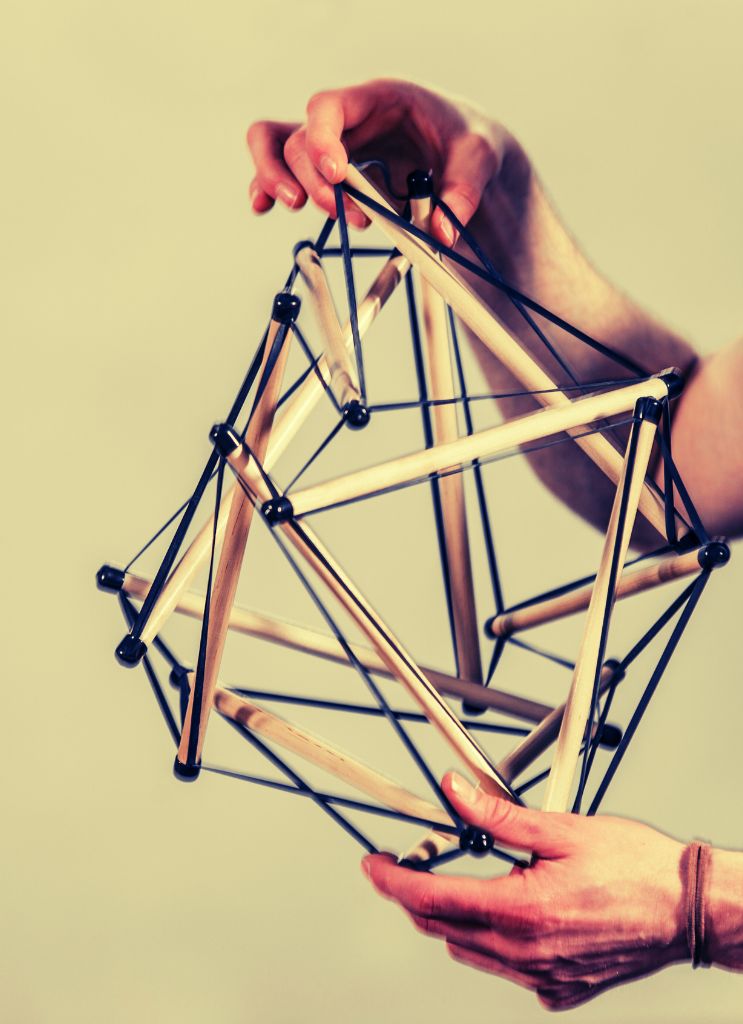
Back Pain in the Perspective of the Tensintegro System
Instead of focusing solely on local symptoms, we should consider the body as an integrated system in which each part affects the others. For example, a shortening of the rectus abdominis muscle can significantly affect the posture and biomechanics of the lumbosacral spine, leading to pain in the lower back.
Emerging scientific evidence supports this perspective, showing that often the causes of back pain may lie in functional adaptations of the body rather than in specific structural problems of the spine. Therefore, Treating the symptom without considering the underlying cause is ineffective and may even worsen the situation in the long run.
In conclusion, back pain requires a holistic approach that considers the body as a whole. Shifting the focus from finding the anatomical source of pain to understanding the mechanisms that drive the body’s health and well-being is critical to effective and sustainable management of back pain.